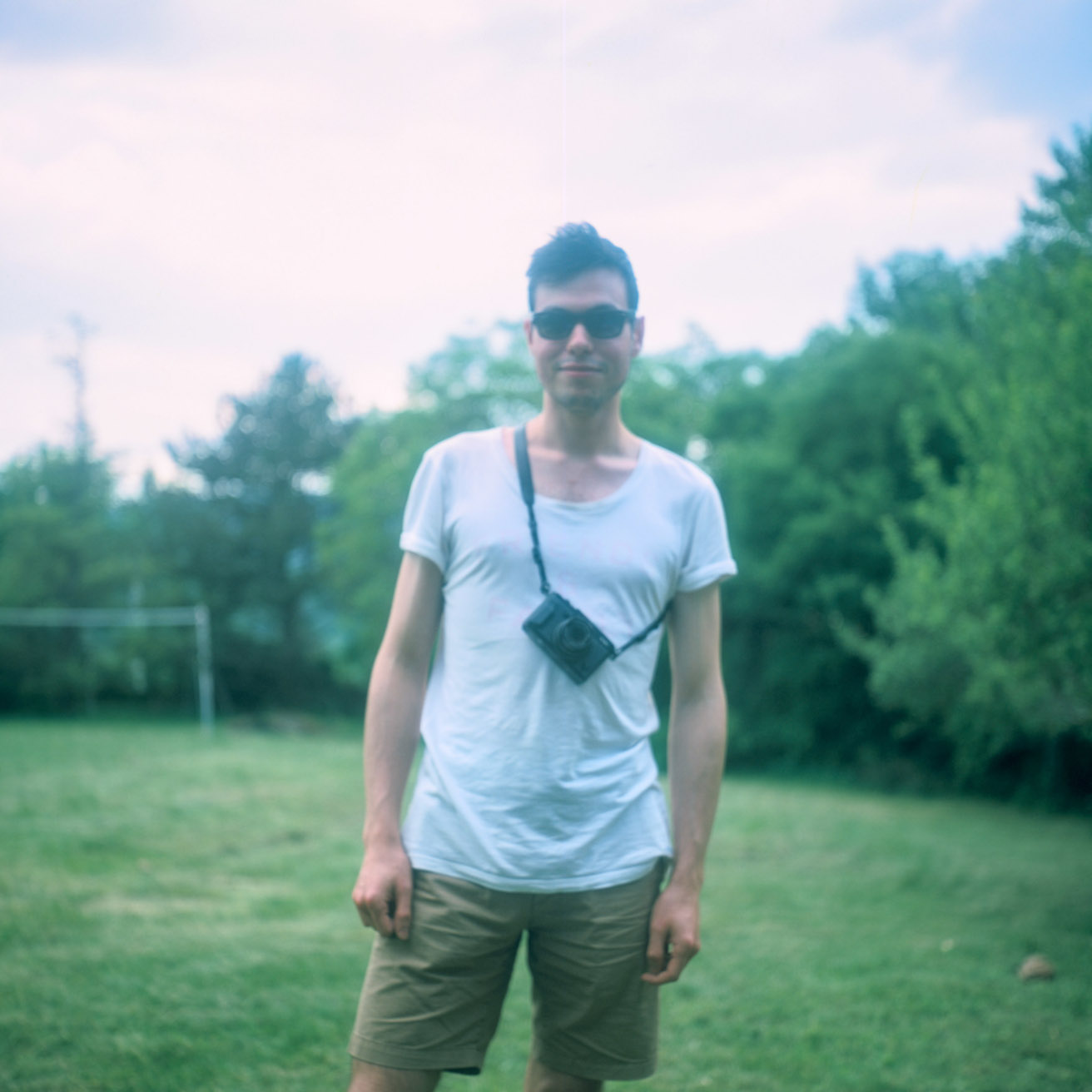
Hello!
I am Martin, and you are visiting my personal webpage.
After 7 years in Paris, I'm now living in Zurich where I work for Google as Site Reliability Engineer.
I am an amateur baker, cook, cyclist and rock climber.
You can learn more about me and my work.
You can contact me:
- by e-mail: ten.bewsuitram@suitram,
- on Twitter: @Martiusweb,
- on Facebook: martius,
- on Linked-in: martius,
- or by phone. Please ask me my number by e-mail.
I write code
I spend a significant amount of my time writing code and building things with computers. My main personal project is asynctest, a Python library which simplifies testing of code based on asyncio.
In the code section, you can find a sample of my personal work, articles I've written and talks I gave.
I'm in read/write mode on:
- Github: Martiusweb,
- Hacker News: martius,
- Stack Overflow: Martin Richard.
I enjoy food and beverages
In my spare time, I enjoy baking and cooking. In particular, I bake my bread weekly. I also like specialty coffee.
I want to collect some recipes and keep a list of my favorite coffee shops. Everything I share about food and coffee can be found there.
Have a look at my contributions on Google Maps.
And other things
There are many other things I might want to share: playlists on spotify, bike rides and maps, etc. Everything which is not code or food will fall in the Misc section.
I sometimes share stuff:
- Music I liked on the Hype Machine,
- Playlists I created on Spotify,
- Bike rides and maps on Strava.